
The Problem behind Chronic Stress and Memory and Decision Making

Author: Dr. Daniel Carter, PharmD
Medically Reviewed by: Dr. Emily Harrison, MD (Internal Medicine)
Last Updated: March 2026
Introduction
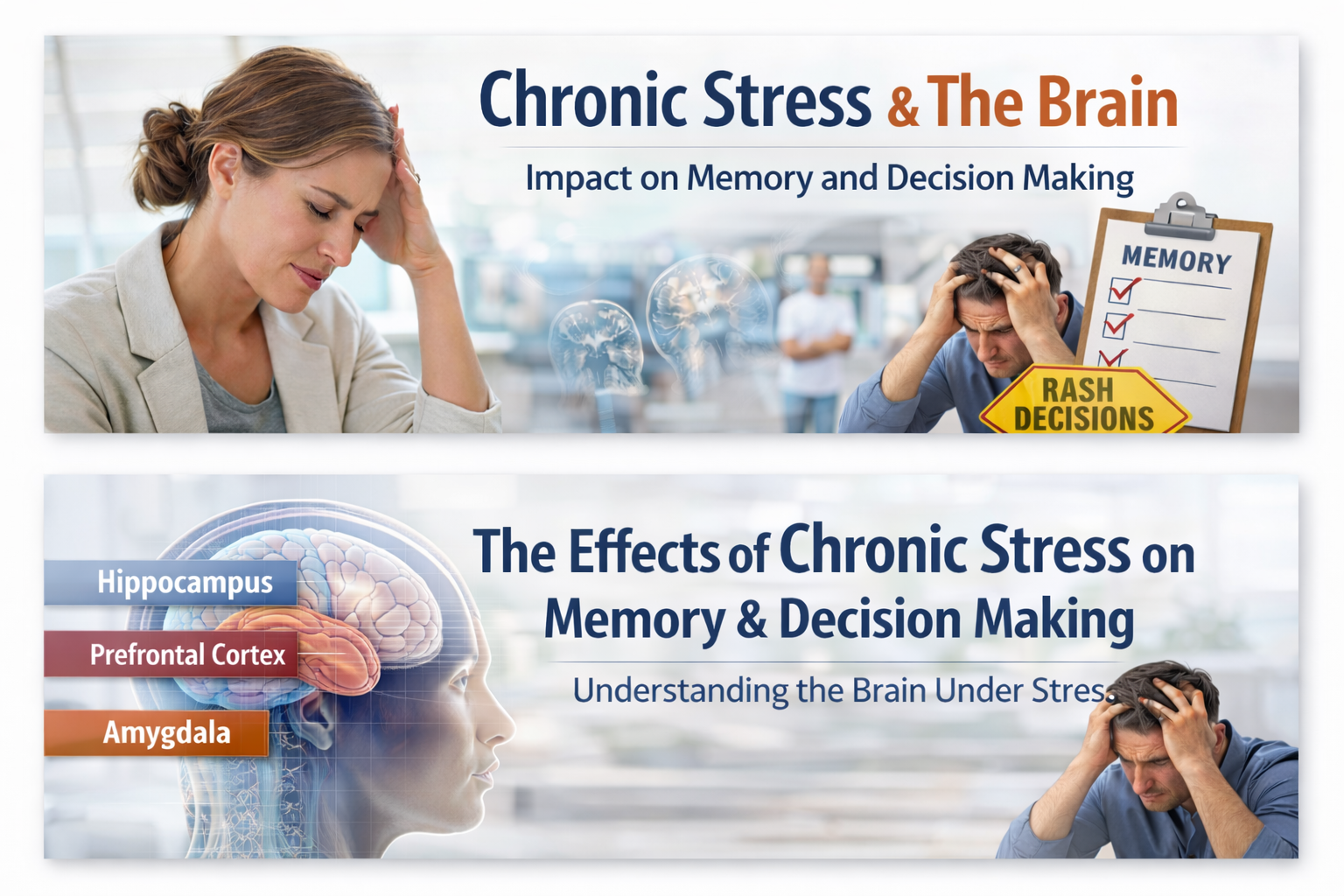
Stress is a normal biological reaction, which assists the body to cope with adversities. Once it becomes chronic, it may damage most of the aspects of health particularly the functioning of the brain.
The American Psychological Association. (APA) stated that nearly 77 per cent of the American population encounter physical symptoms due to stress and 73 per cent encounter psychological symptoms like difficulty in concentrating and issues with memory.
One of the body parts that are most subjected to chronic stress is the brain. When an individual gets exposed to stress hormones over a long period of time, regions that regulate memory, learning, and decision making change.
The neurobiological impacts of chronic stress can be used to make people aware of the early symptoms of stress and seek quality treatment.
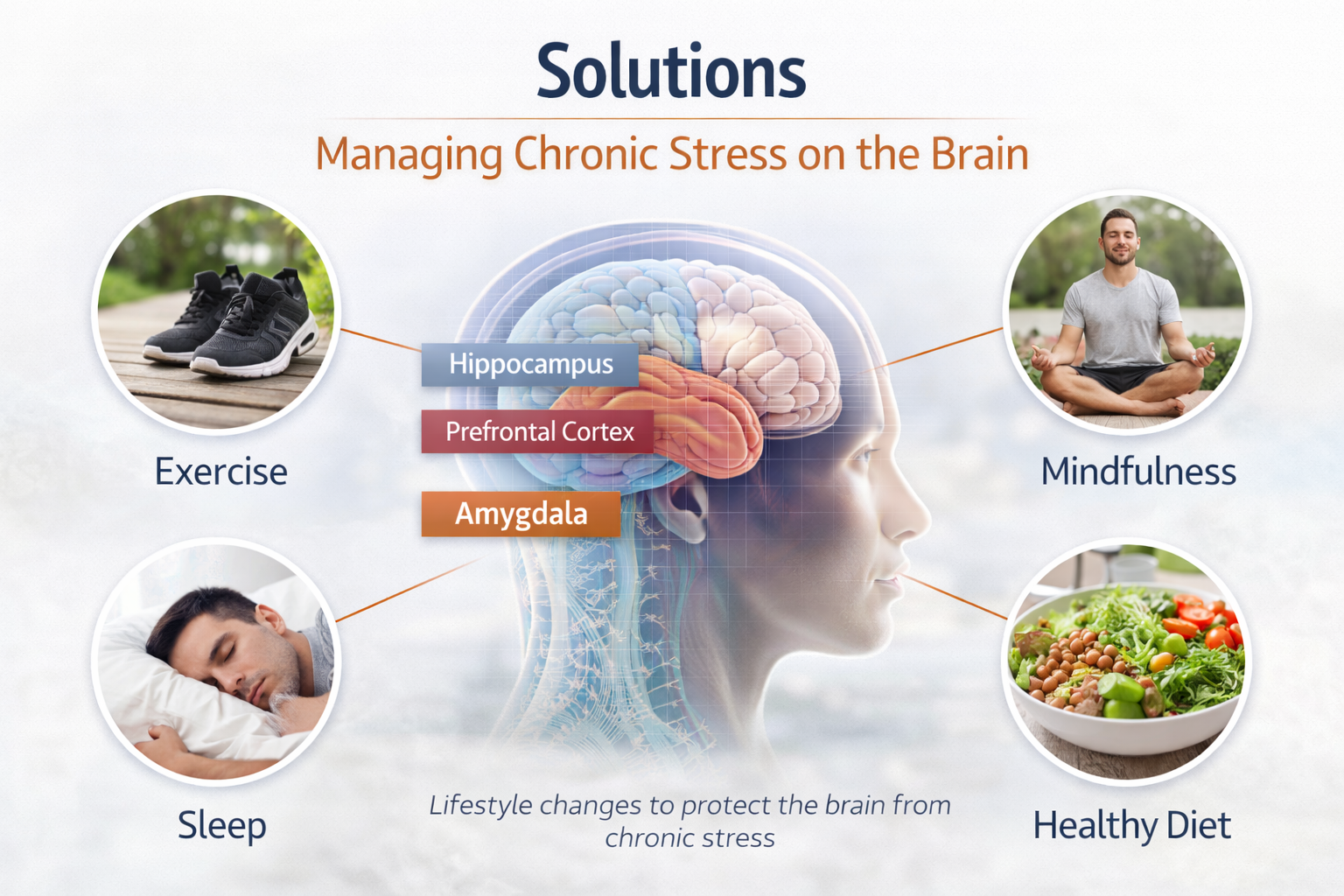
Regions of the Brain Involved in Stress
Hippocampus
Memories are formed and kept within the hippocampus. According to NIMH studies, long-lasting exposure to cortisol may result in the shrinking of neurons in the hippocampus, which impairs the formation of memories.
Prefrontal Cortex
The decision making, problem solving and emotional regulation is controlled by prefrontal cortex. Stresses that are chronic lead to the inability to control behavior and sound judgment.
Amygdala
Amygdala deals with fear and emotions. Stress will also have the effect of over-stimulating the amygdala, which will make a person more sensitive to perceived danger.
The influence of the Stress Hormones on the Brain
The body secretes hormones such as cortisol, adrenaline, and norepinephrine when in a state of stress. Temporary exposure may increase the alertness, whereas in long-term exposure, brain communication networks are disturbed. Research in the journal, Nature Reviews Neuroscience. demonstrates that elevated cortisol hormones have the ability of disrupting synaptic links associated with memory and learning.
Impairment of Memory by Chronic Stress
Aspects that are often considered as cognitive effects of stress are forgetfulness, inability to remember information and slow learning. The reason of these changes is that stress hormones destroy the hippocampus and it becomes unable to encode new memories.
The Ensuring Effects of Stress on Decision Making
There is also a possibility of clouded judgment and decision-making caused by chronic stress. Once the prefrontal cortex is flooded, individuals can make rash choices, fail to solve any complicated problems, or evade making any decision. A paper published in The Journal of Neuroscience discovered that the effects of long-term stress on the process of deciding are directed to emotional reactions instead of reasoning.
Brain-based strategies to safeguard against aging
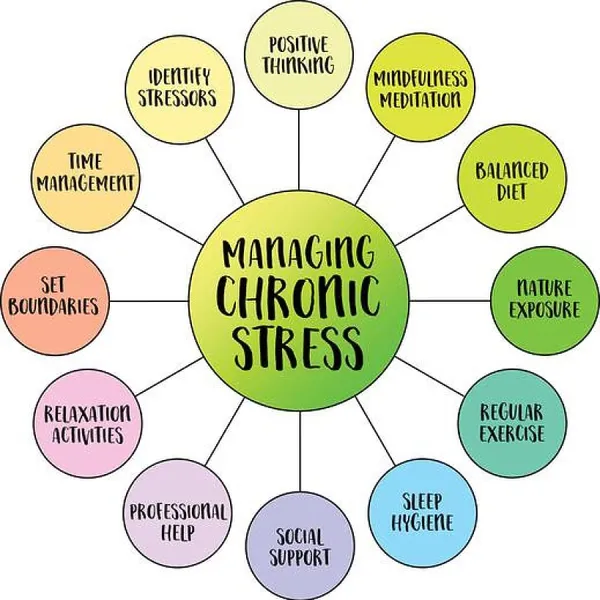
The impact of chronic stress can be alleviated by several lifestyle measures: consistent physical activity, mindfulness, sufficient sleep and proper diet.
In other instances, medical practitioners might prescribe treatment or medication so as to contain the stress and anxiety symptoms that persist.
FAQs
1. Can stress cause memory loss?
Yes. Prolonged stress destroys the hippocampus, which affects memory formation.
2. Is memory loss due to stress irreversible?
Mostly, the memory becomes better as the stress level is decreased.
Sources
- American Psychological Association https://www.apa.org/
- National Institute of Mental Health https://www.nimh.nih.gov/
- Nature Reviews Neuroscience https://www.nature.com/nrn/
- Journal of Neuroscience https://www.jneurosci.org/