Why Anxiety is Worst at Night: the science of anxiety at night

Author: Dr. Daniel Carter, PharmD
Medically Reviewed by: Dr. Emily Harrison, MD (Internal Medicine)
Last Updated: March 2026
Introduction
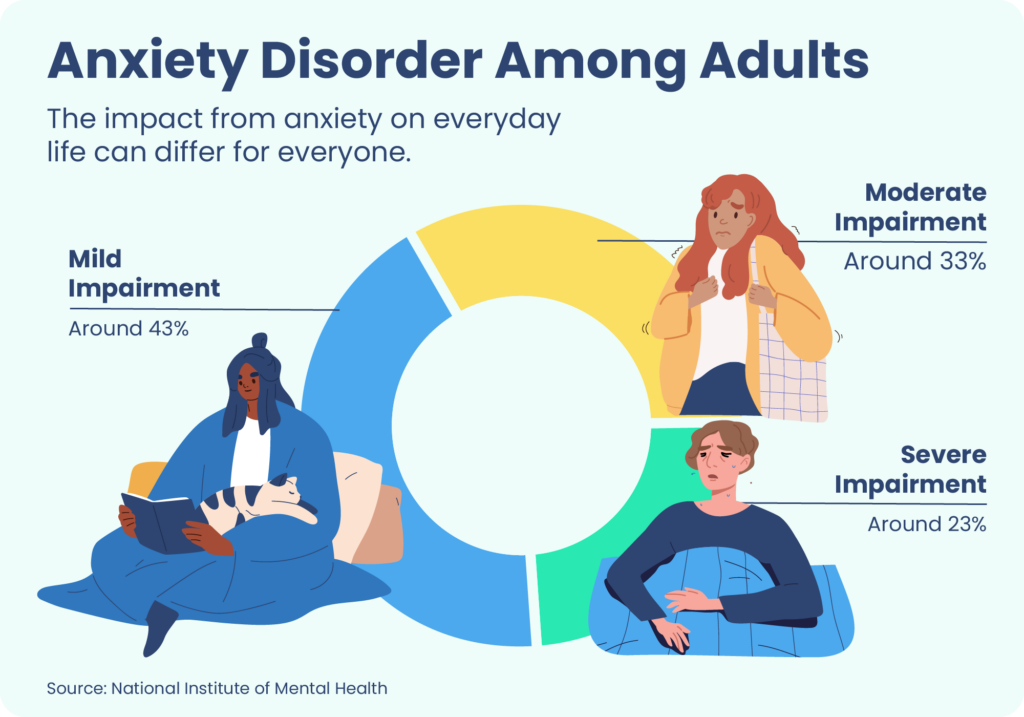
Anxiety disorders are some of the most common mental conditions in the world. According to the Institute of Medicine, National Academies., some 40 million U.S adults experience anxiety annually. Their symptoms are said to be very acute at night.
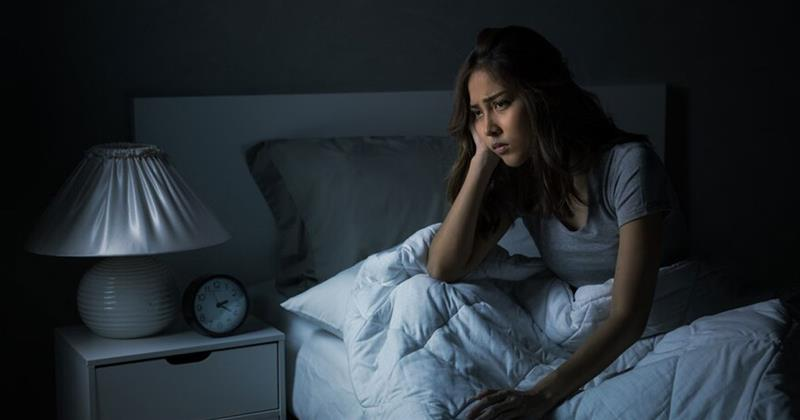
At the work place, during discussions and day-to-day chores, your mind is busy. During the night when the world falls silent, feelings of anxiety become louder.
Night time anxiety can cause:
- racing thoughts
- increased heart rate
- difficulty falling asleep
- sudden feelings of fear
- panic attacks
Knowing the reason why anxiety is worse during the night will enable people to cope with their symptoms better and seek proper treatment.
This paper describes the pathology of night anxiety, its symptoms, causes and medical treatment of the disorder.
What Is Nighttime Anxiety?
Night time anxiety is a condition of increased anxious thoughts or other physical signs that exist during the evening and in the night.
Even though anxiety may occur at any time, at night, most of the distractions that are usually keeping the mind busy are eliminated. There is less external stimuli, fewer worries, fears, and unresolved stress at the center stage.
Anxiety at night is usually attributed to:
Generalized anxiety disorder (GAD) is a psychological condition marked by persistent worry that leads to recurrent headaches (Barlow, 1986).
- Generalized Anxiety Disorder (GAD)
- Panic Disorder
- Insomnia Disorder
Background The patient reports experiencing post-traumatic stress disorder (PTSD) since the extreme heat caused her certain bodily issues and consequently resulted in a lack of sleep. Background The patient complains of having post-traumatic stress disorder (PTSD) because the extreme heat has brought about some physical problems to her and has thus led to lack of sleep.
The Reason Anxiety Is Even More Squeezy at Night
The rise in the number of symptoms of anxiety at night is explained by a number of scientific reasons.
1. Circadian Rhythm Changes
Sleep, hormones and alertness are regulated by the circadian rhythm, which is the internal clock in the body. In the evening:
- cortisol levels drop
- melatonin rises
- the brain prepares for sleep
To anxiety disorder victims, such changes can cause a sense of helplessness or discomfort.
2. Reduced Distractions
The brain processes stacks of data during the day provided by:
- work tasks
- conversations
- physical movement
- environmental stimuli
Such distractions momentarily put out anxious thoughts. During the night, when the stimulation is reduced, the brain is able to concentrate on pending concerns.
3. Highly sensitive to Cortisol
The stress hormone is cortisol. Although cortisol is typically supposed to fall during the night, individuals with anxiety disorders might experience alteration in its regulation whereby it forms an exaggerated reaction. This disequilibrium may cause a state of racing thoughts or panic.
4. Sleep Anticipation Anxiety
Other individuals are even concerned about sleep per se: they worry about not being able to fall asleep, they wake up in the middle of the night or they are too tired in the morning. Such fear produces a self-perpetuating loop called sleep anxiety.
Night time Anxiety symptoms
Mental and physical responses can manifest themselves. Common symptoms include:
- racing thoughts
- difficulty relaxing
- restlessness
- increased heart rate
- chest tightness
- sweating
- nausea
- panic attacks
- insomnia
Extreme anxiety during the night can have dire consequences on the quality of sleep and normal functioning.
When are you supposed to seek medical assistance?
Anxiety is healthy on the occasional basis. Consult with a professional when the following symptoms:
- happen frequently
- has frequent disturbances of sleep.
- trigger panic attacks
- influence work or relations.
The symptom diagnosis introduced by an anxiety disorder or any other medical disorder can be developed by a healthcare professional.
The Diagnosis of Doctors of Anxiety Disorders
The diagnosis normally follows a number of steps.
Medical evaluation
Physical causes are eliminated by doctors as:
- thyroid problems
- heart conditions
- hormonal imbalances
Psychological assessment
Standardized diagnostic criteria of the DSM-5 (Diagnostic and Statistical Manual of Mental Disorders) are used by mental health experts.
Interventions to Night time Anxiety
Therapy, lifestyle modification and medication will often be used together to treat the illness.
Cognitive Behavior Therapy (CBT)
CBT is considered among the best treatments of anxiety. It helps patients:
- detect adverse thinking patterns
- develop coping strategies
- lower catastrophic thinking
Lifestyle Changes
Some of the habits that decrease nighttime anxiety are:
- having a regular sleeping schedule.
- limiting caffeine
- using relaxation methods.
- reducing night-time screen time.
- maintenance of regular physical exercises.
Medication Options
In moderate and severe cases, physicians can prescribe drugs.
Benzodiazepines
Examples:
These medications boost the GABA neurotransmitters, which relax the brain functions.
Antidepressants
Some antidepressants including SSRIs and SNRIs are usually prescribed to anxiety. They control the amount of serotonin and lessen persistent symptoms of anxiety.
Sleep Medications
In the case of insomnia, physicians can recommend such medications as zolpidem (Ambien) to maintain the sleeping patterns. Take them when supervised by the doctor.
Responsible Medication Use
Take the instructions of your provider. Key safety points:
- always take not more than what is prescribed.
- do not take alcohol and sedatives.
- tell physicians about every medication that you use.
- discuss dependency risks
Safe and effective use of medications is made possible through responsible use.
Frequently Asked Questions
1. What causes anxiety to be highest at night?
When it is night; the brain is not distracted, it becomes able to concentrate on worries and stress.
2. Can anxiety cause insomnia?
Yes. The major cause of chronic insomnia is anxiety.
3. What do I do to relax before going to sleep?
Attempt relaxation exercises like deep breathing, meditation, and have regular sleeping habits.
4. Does medication work in night time anxiety?
In some situations, physicians can prescribe drugs to deal with anxiety or sleeping disorders.
5. Is anxiety during the night hazardous?
Even though it is hardly life-threatening, untreated anxiety may have a significant impact on sleep and quality of life.
Conclusion
The anxiety disorders have nighttime anxiety. As the daylight disappears and the distractions are eliminated, the brain can become more sensitive to stress and worry.
Learning the biological and psychological causes of nighttime anxiety makes individuals learn healthier ways to cope with it and pursue effective treatment. Nighttime anxiety is controllable with support, therapy, changes of lifestyle and medical advice.
Sources
- National Institute of Mental Health –https://www.nimh.nih.gov/
- The Centers of Disease Control and Prevention- https://www.cdc.gov/index.html
- National Sleep Foundation – https://www.thensf.org/
- American Psychological Association- https://www.apa.org/
- Mayo Clinic- https://www.mayoclinic.org/diseases-conditions/insomnia/symptoms-causes/syc-20355167