
Why Insomnia is Increasing in Digital Age

Author: Dr. Daniel Carter, PharmD
Medically Reviewed by: Dr. Emily Harrison, MD (Internal Medicine)
Last Updated: March 2026
Sleep is critical to health, and millions of the population fail to sleep. According to the Centers of Disease Control and Prevention (CDC), nearly a third of all adults in the United States of America have less than the recommended 7 hours of sleep every night. According to the American Academy of Sleep Medicine., 30-35 percent of adults display insomnia symptoms.
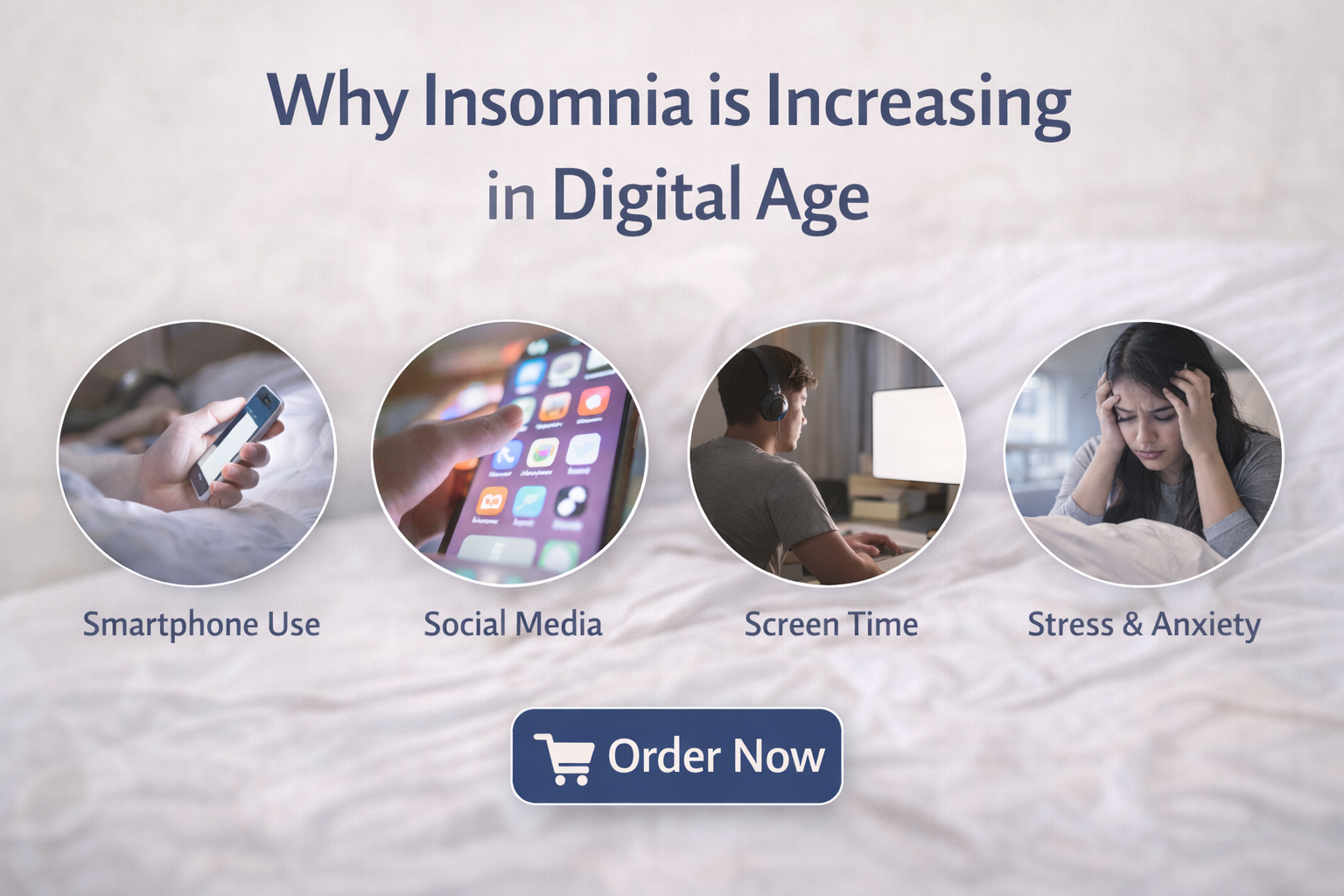
The rates of insomnia have been increasing over the last two decades. The modern habits, particularly the extensive application of digital technology are blamed by the experts on this increase. Smartphones, social media, working remotely, and entertainment on the internet have transformed the way we live yet they also disrupt our natural sleep cycles.
Knowledge on the reason insomnia is on the increase will enable people to identify the factors and sleep well.
What Is Insomnia?
Insomnia refers to a sleeping disorder that causes difficulty in falling asleep, maintaining sleep or staying awake until the appropriate time. It may be occasional, but when it stretches in weeks or months it may be chronic.
Types of Insomnia
1. Acute insomnia
Short term sleep complications which are usually due to stress or temporary alterations in life.
2. Chronic insomnia
Difficulties in sleeping that occur at least three nights per week without more than three months.
3. Onset insomnia
Trouble sleeping at the onset of the night.
4. Maintenance insomnia
Waking up commonly in the night.
The Digital Age as a contributor to Insomnia
1. Excessive Screen Exposure
The blue light emitted by digital displays prevents melatonin- the hormone that regulates sleep. The light of a blue color prior to sleep distorts the body clock and complicates its internal process of falling asleep.
2. Mental Stimulation and Social Media.
Browsing feeds or watching videos does not relax the brain but rather makes it active.
3. Increased Work Stress
Distance working and round-the-clock connectivity lead to the fact that many individuals continue to check email and messages at the end of the day and the line between work and rest becomes indistinct.
4. Irregular Sleep Schedules
Watching programs and playing video games promote nocturnal lifestyles and sleep disorders.
5. Anxiety and Overload of Information.
The perpetual news, alerts, and online communication cause stress and result in anxiety at night.
Symptoms of Insomnia
Insomnia may result in people experiencing:
- Trouble falling asleep
- Awakenings happening during the night.
- Waking early in the morning
- Fatigue during the day
- Irritability
- Difficulty concentrating
- Memory problems
- Lower productivity
Persistent insomnia may be damaging both mentally and physically.
Medical Problems and Risk Factors of Permanent Insomnia
Studies conducted at the National Institutes of Health (NIH) indicate that the risk of chronic sleep loss increases the risk of:
- Depression and anxiety
- Cardiovascular disease
- Obesity
- Diabetes
- Weakened immune function
- Cognitive impairment
Sleep promotes memory, emotional stability, physical relaxation, and thus chronic insomnia needs to be taken note of.
Diagnosis of Insomnia
There are various approaches utilized by healthcare providers:
1. Medical History Review
Physicians enquire into sleep patterns, life habits, and pre-existing illnesses.
2. Sleep Questionnaires
The patients can complete sleep diaries or standardized assessment forms.
3. Sleep Studies
In other instances, polysomnography is advised by doctors to check on the activity of the brain and breathing in the process of sleep.
Therapy of Insomnia
The combination of lifestyle change, therapy and, occasionally, medication is used to treat.
Lifestyle Changes
Doctors often advise:
- Have a regular sleeping schedule.
- Switch off the television at least one hour before sleep.
- Reduce caffeine and alcohol
- Provide a good sleeping environment.
- Play relaxation exercises.
Cognitive Behavioral Therapy of Insomnia (CBT-I)
CBT -I is among the most efficient non-drug interventions. It assists in the modification of behaviors and thoughts that disrupt sleep.
Medications for Insomnia
Sleep aids could be prescribed by doctors in case of inadequate lifestyle changes. Common options:
- Zolpidem
- Eszopiclone
- Temazepam
- Zaleplon
These medications have an influence on neurotransmitters that control sleep cycles.
Responsible Medication Use
Patients should:
- Follow prescribed dosages
- Take sleep drug but not alcohol.
- Sleep aids are only temporal unless otherwise prescribed by a doctor.
Avoiding Digital Age Insomnia
Healthy sleeping patterns can be defended with the help of simple strategies:
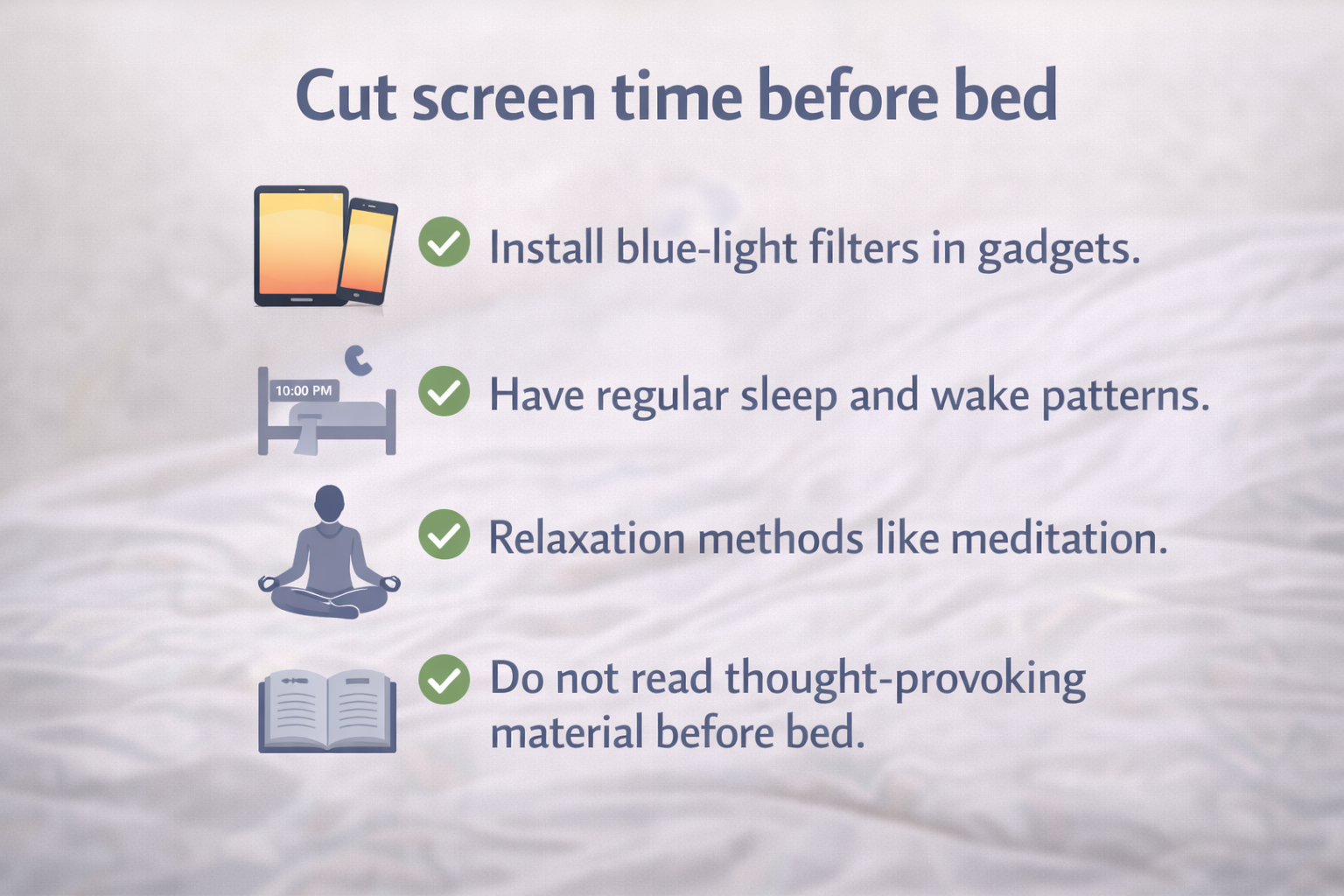
- Cut screen time before bed
- Install blue-light filters in gadgets.
- Have regular sleep and wake patterns.
- Relaxation methods like meditation
- meditation
- Do not read thought-provoking material before bed.
These amendments tend to enhance the quality of sleep.
FAQs
1. What is the reason why insomnia is becoming increasingly widespread?
Screens, increased stress, and disrupted sleeping habits are the results of modern life and contribute to insomnia.
2. Will smart phones influence sleep?
Yes. Phones emit blue light which inhibits melatonin and may cause insomnia.
3. Is insomnia dangerous?
Persistent insomnia increases the chances of heart disease, depression and metabolic diseases.
4. What makes one visit a doctor?
In case the sleep issues take over two weeks of time or significantly influence life.
5. Is it possible to treat insomnia without using medication?
Yes. CBT-I, lifestyle modifications and improved sleep patterns are beneficial to many people.
Conclusion
The problem of insomnia has been exacerbated during the digital era due to over-use of the screen, stress, and lifestyle disorders. Although technology has revolutionized many things in life, it has also led to new barriers to having a good sleep.
A better sleep and well-being can be achieved by knowing the factors that lead to insomnia and becoming better sleepers. Professional help and medically administered treatments can be necessary in a few instances to help regain healthy sleep.
Sources
- CDC – https://www.cdc.gov/
- NIH – https://www.nih.gov/
- National Sleep Foundation – https://www.thensf.org/
- American Academy of Sleep Medicine – https://aasm.org/
- Mayo Clinic- https://www.mayoclinic.org/